How to Select Rail Transit Heavy-Duty Connectors
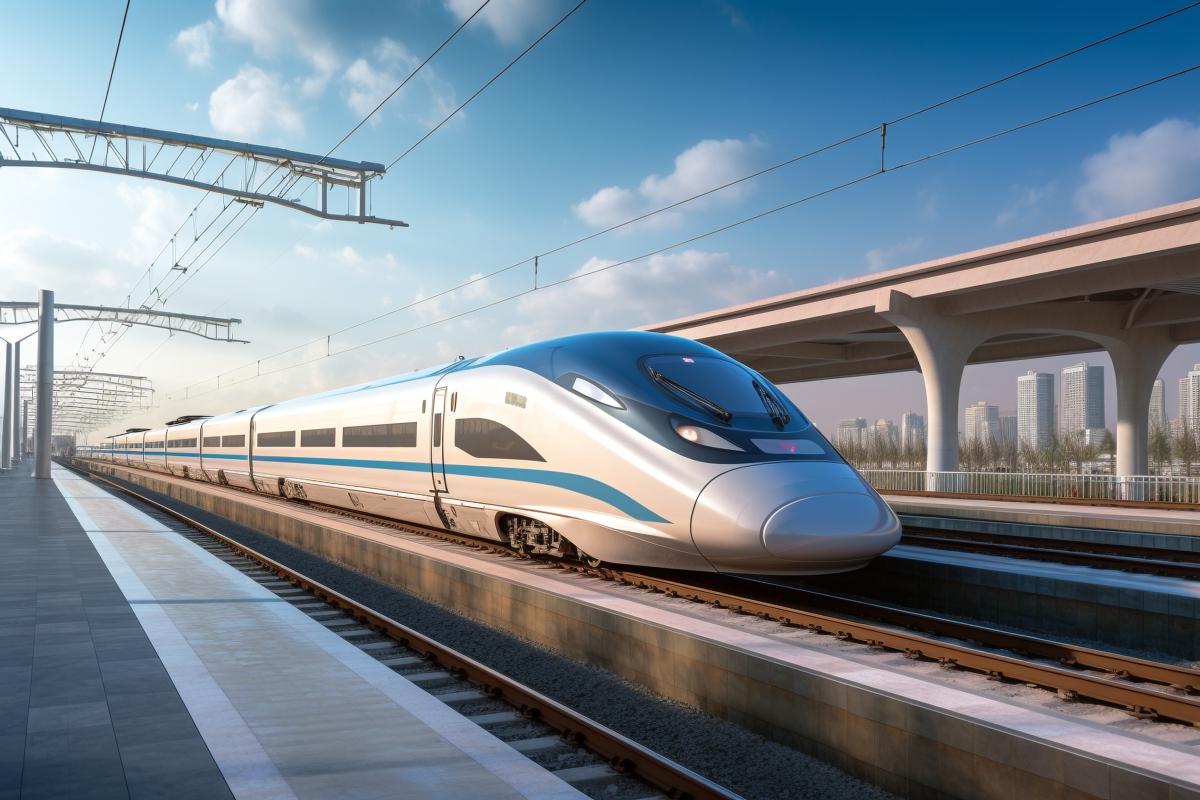
The operating environment for rail transit equipment is characterized by high-frequency vibration, temperature fluctuations, exposure to dust and moisture, and stringent fire safety requirements—conditions under which standard connectors are prone to issues such as poor contact, posing significant safety risks. Heavy-duty connectors, featuring high-strength housings and modular inserts, enable the integrated transmission of power, signals, and data. These products offer a high degree of protection (up to IP65), exceptional resistance to vibration and impact, fire retardancy, flexible modular configuration, and ease of maintenance. By utilizing various housing and insert combinations—such as the D24B, DP, DQ, and DMK series—these connectors can be tailored to the specific operational demands of diverse rail transit subsystems, including traction power supply, control signaling, onboard auxiliary equipment, inter-car coupling, and trackside infrastructure. They effectively address the reliability limitations of conventional connection solutions and are suitable for a full range of electrical connection applications—both onboard rail vehicles and along the trackside—making them a highly reliable, preferred choice for wiring, large-scale equipment integration, and maintenance upgrades in the rail transit sector.
Application Background
Rail transit equipment operates under complex conditions characterized by high-frequency vibration, exposure to dust and moisture, rapid temperature fluctuations, and stringent fire safety requirements. In such environments, standard terminal blocks and general-purpose connectors are highly susceptible to loosening, poor contact, signal interruption, and even safety hazards. Heavy-duty connectors are specifically engineered to address these multifaceted challenges; featuring robust, high-protection metal housings, modular inserts, and standardized interfaces, they integrate power, signal, and data transmission. Consequently, they serve as critical components for ensuring reliable connections within the electrical systems of rail vehicles and trackside equipment. This article provides a comprehensive overview of heavy-duty connectors—covering their definitions, functions, core features, typical applications in the rail transit sector, and key selection criteria—to assist equipment engineers and procurement professionals in quickly gaining an understanding of these products and making informed initial selections.
What Is a Heavy-Duty Connector
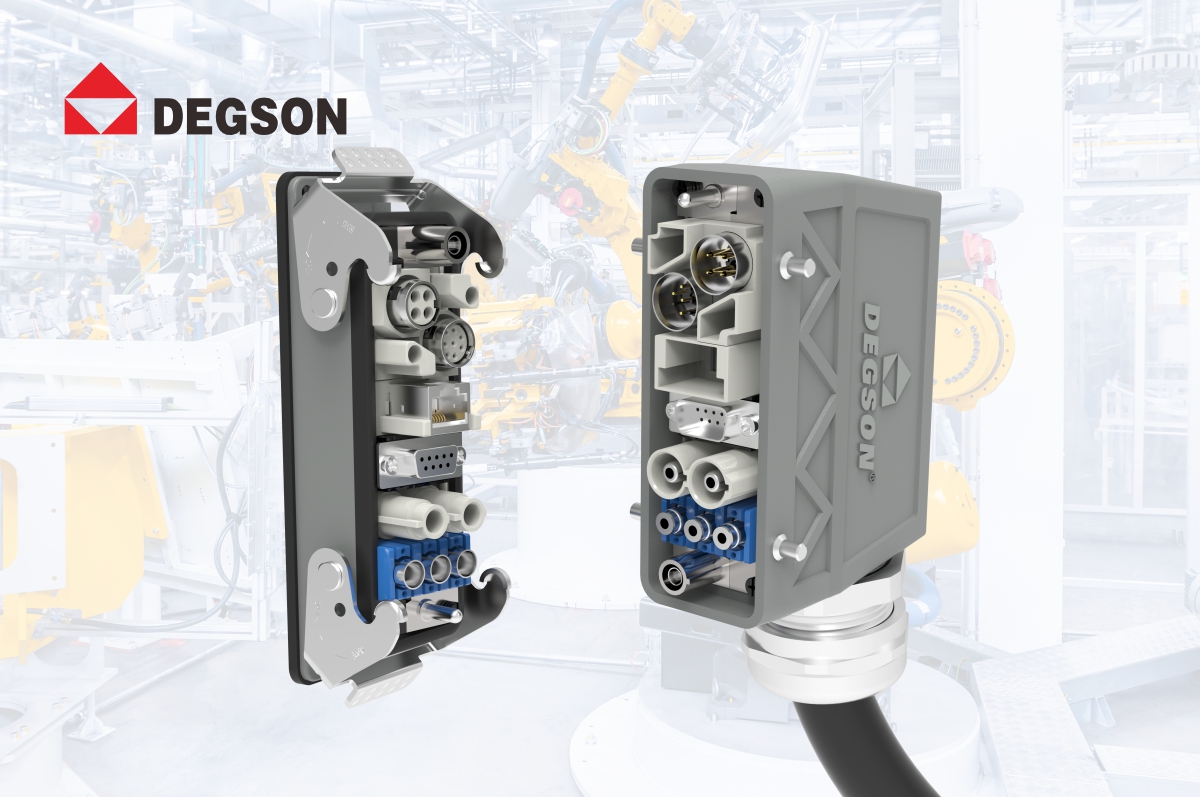
Heavy-duty connectors are modular, rectangular, robust connectors specifically designed for demanding industrial and on-vehicle environments. Unlike standard terminal blocks or general-purpose circular connectors, these units feature housings made of high-strength metal or high-performance engineering plastics, combined with a standardized modular insert structure. They serve as essential industrial electrical connection components, integrating power transmission, signal transfer, and data communication. For the rail transit sector, DEGSON offers a diverse range of solutions—including the D24B, DP, DP24B, and D3A series housings, paired with various inserts such as the high-density DD series, the DQ series, the modular DMEE/DMK series, and 350A high-current inserts. These configurations are tailored to the specific operational requirements of subsystems including cab controls, bogies, traction, braking, HVAC, and inter-car connections. Adhering strictly to international standards for rail transit and industrial electrical systems—such as EN 61984 and EN 60664—these products meet multifaceted requirements, including power distribution between rail vehicles, control signal transmission, and status monitoring. They function as core, versatile connection components for the electrical systems, onboard wiring, and trackside equipment of rail vehicles.
The Significance of Heavy-Duty Connectors in Rail Transit
Heavy-duty connectors undertake two core roles for rail transit equipment: integrated "power + signal + data" reliable connection and harsh-environment protection, widely applicable to various onboard and wayside electrical scenarios. Their specific functions are divided into two categories:
-
Reliable power and signal transmission: Serving as the physical electrical connection channel between train subsystems (between cars, between car ends and onboard equipment, between cabinets), it realizes traction power feed-through, control command transfer, status signal feedback, data communication and other functions. Various insert combinations adapt to electrical connection requirements of different power and pole counts, covering high/low-voltage conventional and onboard supply circuits.
-
Harsh-environment protection and convenient maintenance: Relying on high-protection metal housings and modular plug-in structures, it effectively resists vibration, shock, dust, moisture, sudden temperature changes and other harsh conditions, while supporting quick plug-in and modular disassembly/replacement, facilitating train inspection, modification and upgrade maintenance, and reducing operation and maintenance costs.
Core Rail Transit Application Scenarios and Subsystem Solutions
Reling on the advantages of durability, stability and strong adaptability, DEGSON heavy-duty connectors target rolling stock electrical systems, train cabling, wayside equipment and other scenarios, and provide customized housing and insert combinations for each subsystem. The main applicable areas are as follows:
-
Traction and Main Power Supply Systems: For the traction system, a D24B standard housing paired with high-density inserts is available. For the chassis/bogie, a high-protection-rated DP housing combined with 350A high-current inserts can be selected. These components facilitate the transmission of high-voltage/high-current power between rail vehicles and connect traction converters to auxiliary converters, thereby supporting the train's power transmission and electrical distribution requirements.
-
Control and Signaling Systems: For cab hardware controls, options include the D24B housing paired with DMEE-008-MC/FC inserts; for braking units, the D3A housing with DQ-series inserts can be used. These configurations ensure the reliable transmission of commands—such as those for door operation, braking, and traction—as well as the feedback signals from safety sensors.
-
Auxiliary Power Supply and Onboard Equipment: For carriage air conditioning systems, options include the high-protection-rated DP24B housing, an EMC module, and DMD-012 and DMK-004-MC/FC inserts. This setup facilitates power supply and status monitoring for auxiliary equipment—including air conditioning, lighting, and passenger information systems—while remaining compatible with the train's low-voltage power supply architecture.
-
Communication and Data Systems: High-density or signal-specific inserts (such as DD high-density inserts or the DMEE series) can be integrated to support communication links for the Passenger Information System (PIS), onboard CCTV surveillance, and train control and diagnostic data, thereby facilitating the intelligent and digital operation and maintenance of the train.
-
Inter-car and Vehicle-end Connections: The DP series of high-protection housings can be used for inter-car connections, while the DP24B series is suitable for the tops of control cabinets. These solutions enable hybrid (power/signal/data) multi-core connectivity between train cars, supporting seamless integration across the train consist and facilitating rapid recoupling.
-
Trackside and Platform Equipment: The DP and DP24B high-protection housings are designed for use in trackside signal boxes, as well as platform power supply and inspection facilities. They support power distribution, signal connectivity, and condition monitoring for trackside equipment, ensuring reliable performance even in harsh outdoor environments.
Core Features of DEGSON Heavy-Duty Connectors
As the mainstream supporting connector for rail transit and harsh industrial environments, DEGSON heavy-duty connectors, with their metal housings, modular inserts and high-standard design, offer strong practicality and reliability compared with ordinary connection solutions. Their core advantages stand out:
-
Metal housing, high-protection and weather resistance: The entire unit adopts high-strength metal or high-strength engineering plastic housings with protection rating up to IP65, dustproof and waterproof, resistant to mechanical shock, and not prone to deformation or fading under long-term use, adapting to complex onboard and wayside environments of trains and greatly extending service life.
-
Vibration and shock resistance, adapted to dynamic conditions: The structural design offers 内部技能lent drop, vibration and impact resistance, operating stably under continuous vibration and bumpy conditions during train operation, with stable contacts that do not loosen, eliminating signal interruption and poor-contact problems.
-
Fire retardant and safe: Housing and insert materials are flame-retardant and heat-resistant, effectively controlling fire and smoke risks, ensuring train operation safety, meeting industrial electrical safety requirements, and free of safety hazards in use.
-
Modular multi-pole, flexible combination: Standardized modular inserts enable hybrid power, signal and data layouts, flexibly matching the connection requirements of different subsystems such as traction power supply, control and communication, and adapting to volume procurement and later upgrades.
-
Maintenance-free design, efficient operation and maintenance: Adopting reliable connection technologies such as spring pressure combined with modular structures, it achieves tool-free quick wiring, maintenance-free operation and rapid assembly/disassembly, greatly reducing the labor and time costs of train inspection and spare-part replacement.
Summary
DEGSON rectangular heavy-duty connectors rely on the core advantages of high-protection metal housings, anti-vibration and shock-resistant structures, fire-retardant materials, modular multi-pole combinations and maintenance-free design, perfectly solving the pain points of ordinary terminal blocks and universal plugs that easily loosen, get damaged and are not durable under high-frequency train vibration, dust, moisture and high-temperature shock conditions. The products combine integrated power, signal and data connection capabilities, harsh-environment protection and long-term operational stability, widely adapting to all rail transit scenarios such as traction power supply, control signals, auxiliary power supply, data communication, car-end connection and wayside equipment. With both high cost-effectiveness and high reliability, they are the preferred component for rolling stock electrical system cabling, volume procurement and upgrade maintenance, suitable for the transmission and protection needs of the vast majority of rail transit electrical connection scenarios.
Frequently Asked Questions
Q1: What is the difference between heavy-duty connectors and ordinary terminal blocks or universal plugs?
Heavy-duty connectors adopt high-protection metal housings and modular inserts. Compared with ordinary terminal blocks and universal circular plugs, they offer high protection, vibration and shock resistance, fire retardancy and high-current multi-pole capability, and are designed specifically for harsh conditions such as train vibration, dust and moisture. Ordinary terminal blocks suit mild conventional environments, and universal plugs focus on specific signals or small connections; their reliability and durability are both weaker than heavy-duty solutions.
Q2: What voltage and current do heavy-duty connectors support?
Common rated voltage is 250V~500V, with single-contact rated current of 10A~16A; high-current versions can reach higher ratings.
Q3: How is the vibration resistance of heavy-duty connectors, and are they suitable for onboard environments?
DEGSON heavy-duty products are structurally designed to comply with the IEC 61984 standard, and together with metal housings and locking structures, they operate stably under continuous train vibration and shock conditions without plug loosening, poor contact or signal interruption.


