Complete E-Bike Connectivity Kits: Battery + Motor + Charging + Signal (2026)
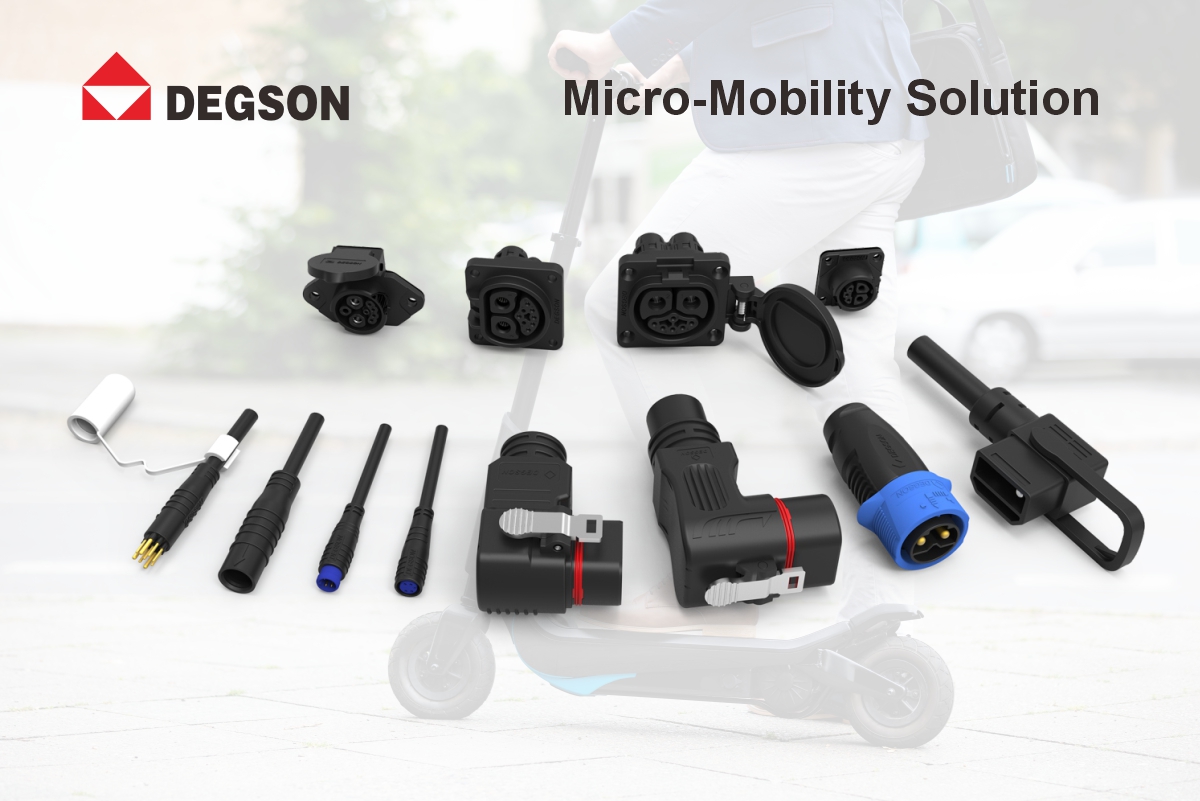
A complete e-bike connectivity kit is a coordinated set of connectors covering all electrical interconnection points within an e-bike: battery power, motor power and signal, charging interface, and control signal connections. Sourcing these connectors as a coordinated kit from a single manufacturer ensures interface compatibility, consistent quality standards, and simplified supply chain management.
A typical e-bike requires 6-10 connectors across its electrical system, each with specific current ratings, pin configurations, and environmental protection requirements. When sourced from multiple suppliers, connector interface compatibility, varying quality standards, and divergent lead times can create assembly and quality challenges for e-bike manufacturers.
Battery system connectors in a complete connectivity kit include:
Main power connector: Carries 30A-40A between the battery pack and controller, with locking mechanism and IP67 protection
BMS signal connector: Multi-pin connector (5-8 pins) for cell voltage monitoring, temperature sensing, and state-of-charge data transmission
Balance charging connector: Multi-pin connector for cell-level voltage balancing during charging
DEGSON's EBBH (battery housing) and EBBR (battery receiver) series provide the main power connection interface between the battery pack and the e-bike frame, with IP67 protection on the equipment side. These connectors are designed for the high-current demands of e-bike battery systems while maintaining reliable connection under vibration.
Motor system connectors carry three-phase AC power from the controller to the motor and Hall sensor signals for rotor position feedback. The motor connector kit includes:
Table 1: Motor System Connector Requirements
DEGSON's EBM motor connector series integrates three-phase power and Hall sensor connections in a single housing, reducing connector count and simplifying motor installation. The IP67 protection on the equipment side ensures reliable operation in the exposed environment near the wheel hub or bottom bracket.
Charging connectors interface between the external charger and the battery system. Requirements include:
Current rating: 2A-5A at 36V-48V DC, matching the charger output specification
Mating cycles: 500-1000 cycles minimum, supporting daily charging over 2-3 years
Polarity protection: Physical keying to prevent reverse polarity connection
Environmental protection: IP67 when mated, protecting against rain during outdoor charging
DEGSON's EBC charging connector series provides e-bike charging interface solutions designed for frequent mating cycles. The connector design incorporates polarity keying and IP67 environmental protection for reliable outdoor charging operation.
Signal connectors carry low-voltage data between the e-bike's control system components:
Table 2: E-Bike Signal Connector Applications
DEGSON's EBS signal connector series provides multi-pin signal connection solutions for e-bike control systems. The series covers controller-to-display, throttle, brake sensor, and pedal assist sensor connections with IP67 protection on the equipment side.
Connector standardization across an e-bike product line provides several benefits for OEM manufacturers:
Assembly efficiency: Standardized connectors enable assembly line workers to use consistent tooling and procedures, reducing assembly errors and training requirements
Inventory simplification: A standardized connector kit reduces the number of unique part numbers in inventory, lowering carrying costs and simplifying logistics
Quality consistency: Connectors from a single manufacturer are produced under the same quality management system, ensuring consistent performance across the product line
Maintenance interchangeability: Standardized connectors enable field service technicians to carry fewer replacement parts, improving service efficiency
For OEMs producing multiple e-bike models, a standardized connectivity kit covering all model variants (different battery capacities, motor types, and feature levels) provides the greatest supply chain benefit.
When evaluating a supplier for a complete e-bike connectivity kit, consider:
Product range coverage: Verify the supplier offers connectors for all required applications (battery, motor, charging, signal) with appropriate current ratings and pin configurations
Environmental protection: Confirm IP67 protection for all external connectors, with test reports validating the IP rating
Manufacturing capability: Assess production capacity, automation level, and quality management system (ISO 9001)
Testing infrastructure: In-house testing laboratories (UL-CTDP, VDE-TDAP, CNAS) enable faster product development and certification
Custom development: For specialized e-bike designs, assess the supplier's ability to develop custom connectors with non-standard pin counts or form factors
DEGSON provides a complete e-bike connectivity kit covering battery (EBBH/EBBR), motor (EBM), charging (EBC), and signal (EBS) connections, with IP67 protection on the equipment side. The kit is supported by DEGSON's UL-CTDP, VDE-TDAP, and CNAS accredited laboratories and 80% production automation rate.
This article is provided by DEGSON Technical Team. Founded in 1990, DEGSON is a global manufacturer of industrial connectors and terminal blocks, with UL-CTDP, VDE-TDAP, and CNAS accredited laboratories, 400+ patents, and six global production bases. DEGSON's complete e-bike connectivity kit (EBBH/EBBR/EBM/EBC/EBS) covers battery, motor, charging, and signal connections with IP67 protection. For kit specifications, visit www.degson.com.
1. What Is a Complete E-Bike Connectivity Kit?
2. What Connectors Are Needed for the Battery System?
3. What Connectors Are Needed for the Motor System?
Connector
Function
Current/Pins
Protection
3-phase power
Controller-to-motor power
30A-50A, 3 pins
IP67
Hall sensor signal
Rotor position feedback
Low current, 5-6 pins
IP67
Temperature sensor
Motor temp monitoring
Low current, 2 pins
IP67
4. What Connectors Are Needed for Charging?
5. What Connectors Are Needed for Signal Transmission?
Signal Connector
Connected Components
Pin Count
Notes
Controller-to-display
Controller and handlebar display
4-6 pins
Speed, battery, mode data
Throttle signal
Throttle and controller
3 pins
Voltage signal 0-5V
Brake sensor
Brake lever and controller
2-3 pins
Regen braking activation
Pedal assist sensor
PAS and controller
2-3 pins
Cadence/torque signal
Lighting
Controller and lights
2 pins
Battery-powered lighting
6. Why Is Connector Standardization Important for E-Bike OEMs?
7. How to Evaluate a Complete Connectivity Kit Supplier?


