Glow-Wire Compliance Selection for White-Goods Terminals: A Dual-Path Guide to Material-Level and Component-Level Safety
Glow-Wire Compliance Requirements in Unattended White-Goods Applications
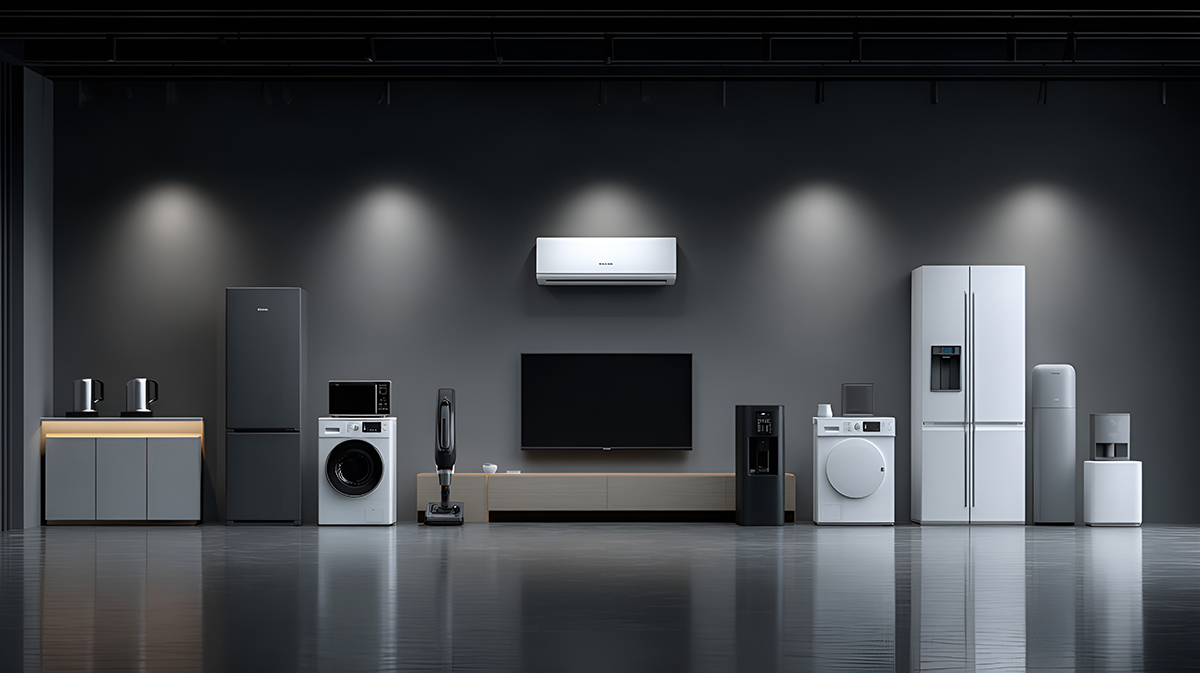
With the widespread adoption of smart home technology, white goods such as refrigerators, washing machines and air conditioners operate for long periods in unattended conditions. The flame-retardant and heat-resistant performance of their internal electrical connection points is directly linked to household electrical safety. For white goods with a rated current exceeding 0.2 A, IEC 60335-1 Household and Similar Electrical Appliances — Safety — Part 1: General Requirements and its Chinese counterpart GB 4706.1 explicitly require that insulating materials supporting current-carrying components pass the Glow-Wire Test (IEC 60695-2-11/12) to verify flame resistance under abnormal overheating conditions.
The core conclusion for selection is that there are two parallel compliance paths for glow-wire requirements in white-goods terminals: material-level safety and component-level safety. Designers should make an explicit choice between the two based on product structural complexity, certification timeline pressure and cost targets, rather than issuing a vague requirement for "flame-retardant terminals." DEGSON offers DC white-goods connectors in corresponding material grades for both paths, allowing direct alignment with safety standards and a streamlined selection and certification process.
Scope of application: This article applies to the selection of internal wiring terminals for household white goods with rated current > 0.2 A undergoing safety certification under IEC 60335-1 / GB 4706.1. It does not apply to low-power circuits with rated current ≤ 0.2 A, industrial control equipment, or automotive electronics, each of which is governed by its own dedicated standards.
Judgment Criteria for the Two Compliance Paths
Path 1: Material-Level Safety
The material-level safety path is judged by the Glow-Wire Ignition Temperature (GWIT) of the housing material itself. The core requirement is that the housing material achieves GWIT ≥ 775 °C and that any flame extinguishes completely within 5 seconds during testing. Materials meeting this criterion may, under the relevant clauses of IEC 60335-1 Clause 30, be exempted from separate glow-wire testing on finished components.
The advantage of this path lies in simplified certification: because the material grade already covers component-level requirements, appliance manufacturers do not need to prepare separate component-level test samples and reports for each terminal structure, effectively shortening R&D cycles and reducing certification costs. It is best suited for appliances with high material flame-retardancy requirements and a need for rapid safety certification, particularly models with relatively simple structures and larger exposed housing areas.
Path 2: Component-Level Safety
The component-level safety path is judged by the glow-wire test result of the finished component, with a relatively relaxed requirement on the material's own GWIT. The core standard has two tiers: first, the product component must achieve GWIT ≥ 750 °C with flame extinguishing within 2 seconds; second, if the flame persists beyond 2 seconds, compliance can still be established if any one of the following supplementary conditions is met:
-
Adjacent materials surrounding the terminal achieve a UL 94 V0 or V1 flammability rating;
-
Adjacent materials surrounding the terminal pass the Needle-Flame Test (IEC 60695-11-5);
-
Adjacent materials surrounding the terminal incorporate built-in connection protection designs, such as metal shields or flame-retardant isolation baffles.
The advantage of this path is greater structural design flexibility: designers can retain more room for product aesthetics and internal structure optimization while ensuring overall safety. It is particularly suitable for high-power white goods with complex structures and multi-component coordination, such as multi-door refrigerators, variable-frequency outdoor air-conditioning units, and washer-dryer combos.
The two paths are not mutually exclusive. Appliance manufacturers may adopt different paths at different connection points within the same product to achieve the optimal balance of safety, cost and design freedom.
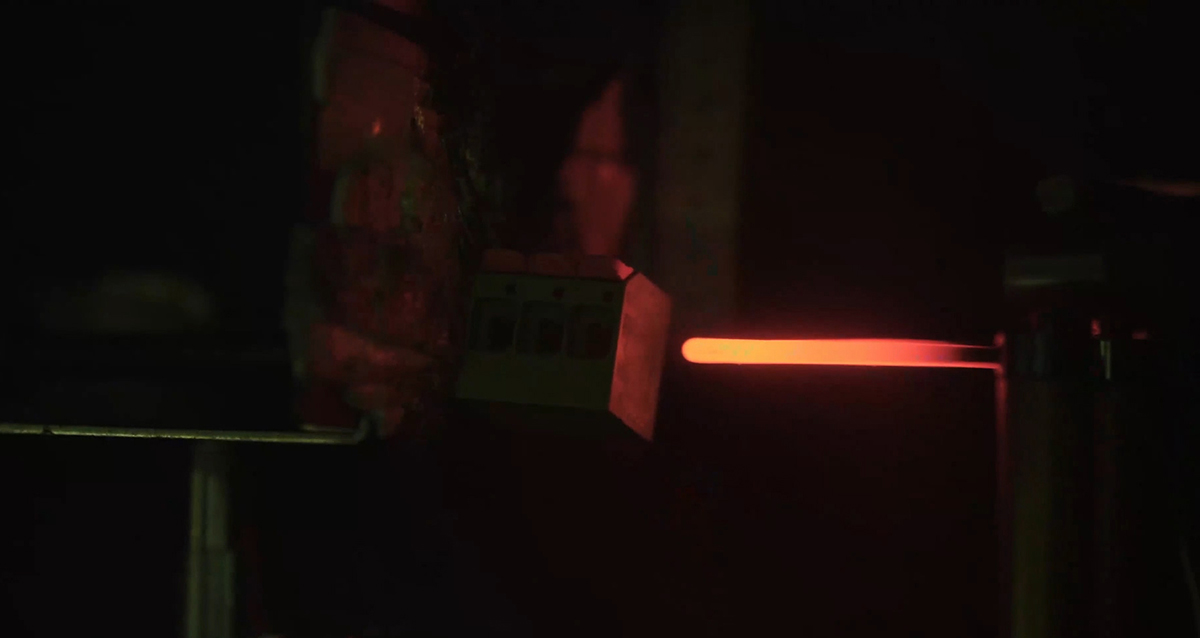
Glow-Wire Test
DC White-Goods Connector Selection and Full-Pitch Product Matrix
To match the power ratings, installation space and wiring requirements of different white goods, DEGSON offers a DC white-goods connector product matrix covering the full pitch range from 3.5 mm to 10.16 mm. Below are some core models and their typical application scenarios:
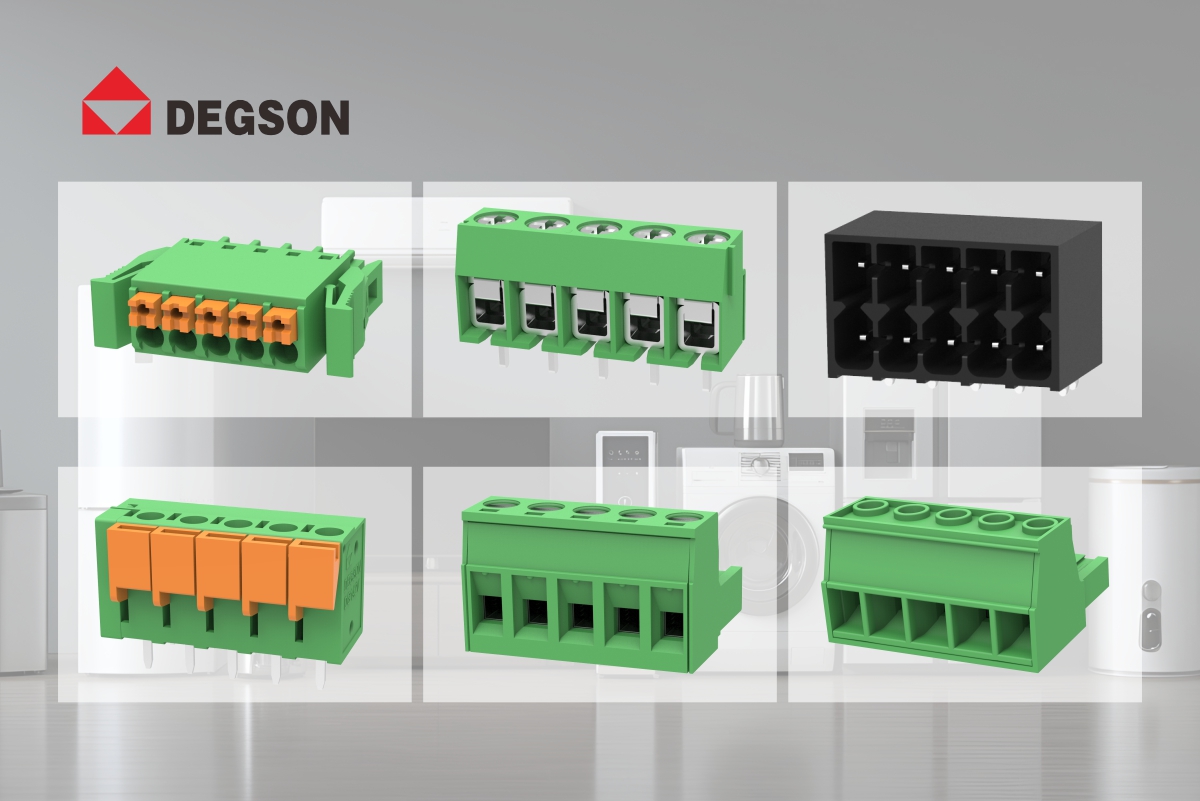
| Model | Pitch | Key Features & Applications |
|---|---|---|
| 15EDGKNG-3.5-XXP-14-1000G(H) | 3.5 mm | Compact design for small appliances and space-constrained control boards |
| DG126-5.0-XXP-14-00G(H) | 5.0 mm | Stable and reliable for medium-power internal power connections |
| 15EDGRHC-THR-3.5-XXP-13-1000G(H) | 3.5 mm | Through-hole reflow (THR) for automated mass production and improved line efficiency |
| DG142V/R-5.08-XXP-14-00G(H) | 5.08 mm | Multi-wire-gauge compatibility with flexible wiring for serviceable models |
| 2EDGK-5.0/5.08/7.62-XXP-14-00/1000G(H) | 5.0 / 5.08 / 7.62 mm | Multiple pitch options covering low- to high-power scenarios |
| 5EDGK-10.16-XXP-14-00G(H) | 10.16 mm | High current-carrying capacity for heavy-duty appliances and high-power compressor circuits |
All of the above models are available in both material-level and component-level safety material versions, directly corresponding to the two compliance paths described above, enabling one-step selection and certification. During selection, designers should first determine the target compliance path, then filter specific models based on rated current, wire gauge, mounting style (straight / right-angle / THR) and pitch space requirements.
Application Scenarios and Selection Recommendations for DEGSON Solutions
DEGSON's white-goods connection solutions deliver value to appliance manufacturers in four dimensions:
-
Standards alignment: Products follow the glow-wire applicability requirements of IEC 60335-1 / GB 4706.1 for white-goods terminals. The two material versions align with the material-level and component-level compliance paths respectively, supporting domestic and international safety certification.
-
Solution flexibility: The dual-path approach (material-level / component-level) balances cost and performance. Models prioritizing certification speed may prefer the material-level version; for high-power models with complex structures requiring design freedom, the component-level version combined with flame-retardant design of surrounding materials is more economical.
-
Complete product line: Full pitch coverage from 3.5 mm to 10.16 mm meets the internal connection needs of refrigerators, washing machines, air conditioners, dishwashers and other white goods, reducing multi-supplier management cost.
-
Traceable quality: DEGSON provides complete material datasheets, test reports and certification documents for the selected models, giving appliance makers traceable evidence for the certification file.
Selection summary: First confirm whether the product rated current exceeds 0.2 A (≤ 0.2 A is outside the scope of this article). Second, select the compliance path based on structural complexity and certification timeline. Third, within the corresponding material version, lock in the specific model by pitch, current, wire gauge and mounting style. Finally, request the material datasheet and glow-wire test report for the selected model from DEGSON and include them in the appliance's safety certification documentation package.
FAQ
Q1: Which path has lower certification cost — material-level or component-level safety?
Generally, the material-level path has lower certification cost because materials meeting GWIT ≥ 775 °C are exempt from component-level glow-wire testing, reducing sample and report fees. However, if the appliance has already conducted V0/V1 or needle-flame testing on surrounding plastics, the component-level path can reuse existing test results, potentially lowering the overall cost. This should be evaluated on a project-by-project basis.
Q2: Can the two paths be mixed at different connection points within the same appliance?
Yes. IEC 60335-1 evaluates each insulating material supporting current-carrying components independently. Manufacturers may use material-level terminals at space-constrained locations such as main control boards, and component-level terminals combined with surrounding flame-retardant design at high-power, structurally complex locations such as compressor circuits, to achieve an optimal balance.
References
-
IEC 60335-1 — Household and Similar Electrical Appliances — Safety — Part 1: General Requirements. IEC webstore.
-
IEC 60695-2-11 / -2-12 — Glow-wire test methods.
-
IEC 60695-11-5 — Needle-flame test method.
-
UL 94 — Tests for Flammability of Plastic Materials.
-
GB 4706.1 — Safety of Household and Similar Electrical Appliances, General Requirements.
Take the Next Step
Confirm your appliance's rated current and target compliance path, then browse the DEGSON DC white-goods connector series on www.degson.com to shortlist a model by pitch, current, wire gauge and mounting style — and request the material datasheet and glow-wire test report for the exact model to include in your safety certification package.


